
The Warlords of Draenor expansion for World of Warcraft revitalized the franchise’s narrative, particularly through its exploration of orc lore in Nagrand and the Highmaul storyline. This expansion not only showcased the rich history of the orc race but also highlighted their cultural significance within the broader lore of Azeroth. As players traversed the stunning landscapes of Nagrand, they encountered deep-rooted stories that connected past and present, reinforcing the orcs’ status as a central pillar of Warcraft’s narrative. In this guide, we will delve into the nuances of orc lore as presented in Warlords of Draenor, analyzing how it solidified their prominence in the game’s universe.
What are the key lore elements of Nagrand and Highmaul in Warlords of Draenor?
The key lore elements of Nagrand and Highmaul include the rich history of the orc clans, the significance of the elements, and the conflict with the ogres, all of which showcase the orcs’ cultural depth.
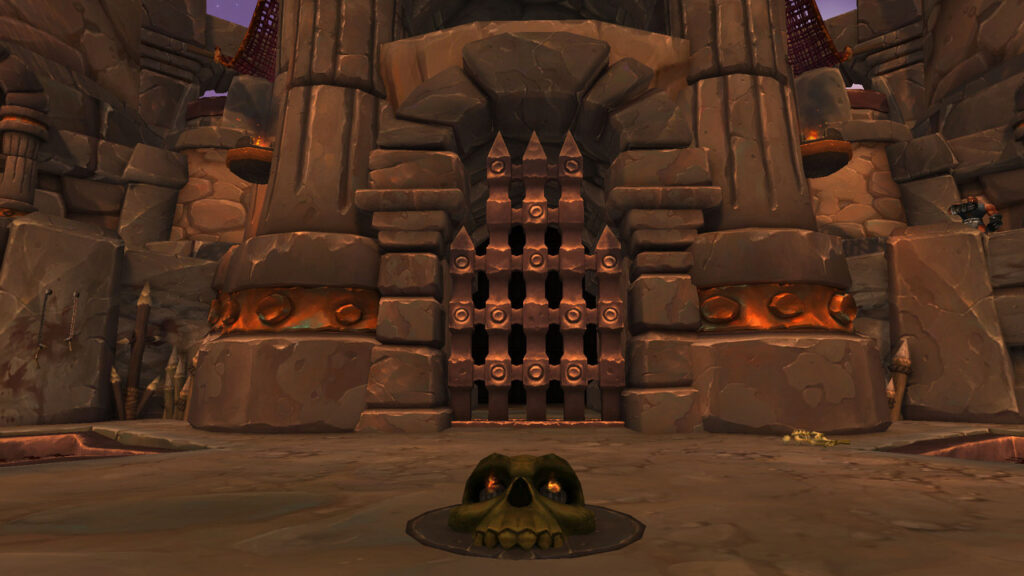
Nagrand serves as a pivotal location in the lore of Warlords of Draenor, representing the orc’s ancestral home and their connection to the elements. The Highmaul storyline introduces players to the complex relationship between the orcs and the ogres, highlighting the struggles for power and survival. The following table summarizes the essential lore elements and their implications for the orc narrative.
| Element | Significance | Key Characters | Major Events |
|---|---|---|---|
| Orc Clans | Foundation of orc culture and identity | Grommash Hellscream, Durotan | Clash with the Iron Horde |
| Elements | Connection to shamanistic practices | Thrall, Ner’zhul | Restoration of balance |
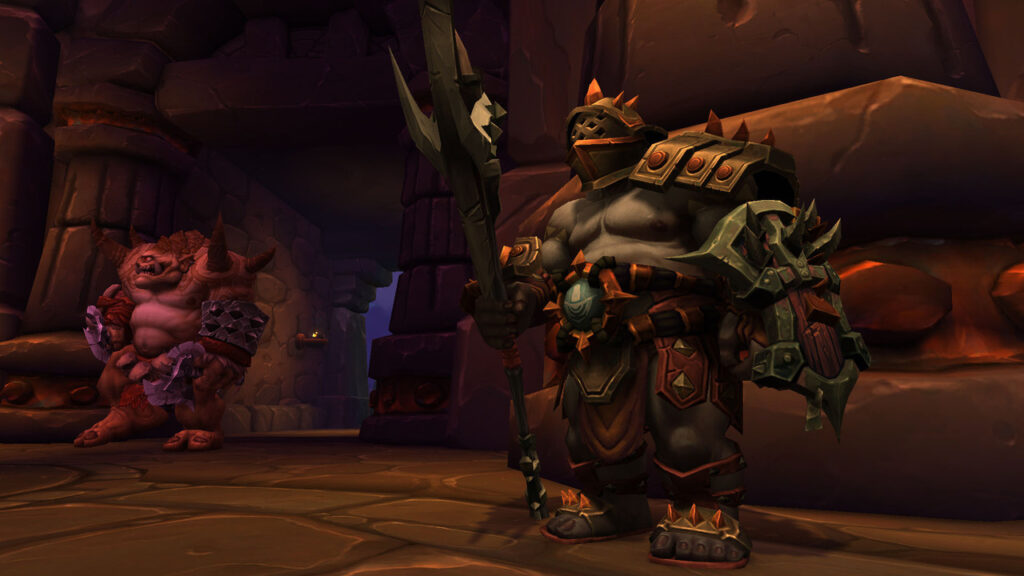
| Ogres | Antagonists representing chaos and greed | Grommash, Kilrogg Deadeye | Battle for Highmaul |
How does the Highmaul storyline enhance the orc lore in Warlords of Draenor?
The Highmaul storyline enhances orc lore by illustrating their historical conflicts with the ogres and showcasing their resilience and unity in the face of adversity.
The Highmaul storyline is a critical narrative arc that delves into the orc’s past, particularly their struggles against the ogres who once dominated Nagrand. This conflict is not merely a backdrop; it serves as a catalyst for character development and the exploration of themes such as honor, sacrifice, and the quest for redemption. The orc clans, particularly the Frostwolf clan, are depicted as guardians of their traditions, fighting to reclaim their homeland from the oppressive ogre rule. This narrative thread emphasizes the importance of unity among the clans, showcasing how they must come together to confront a common enemy.
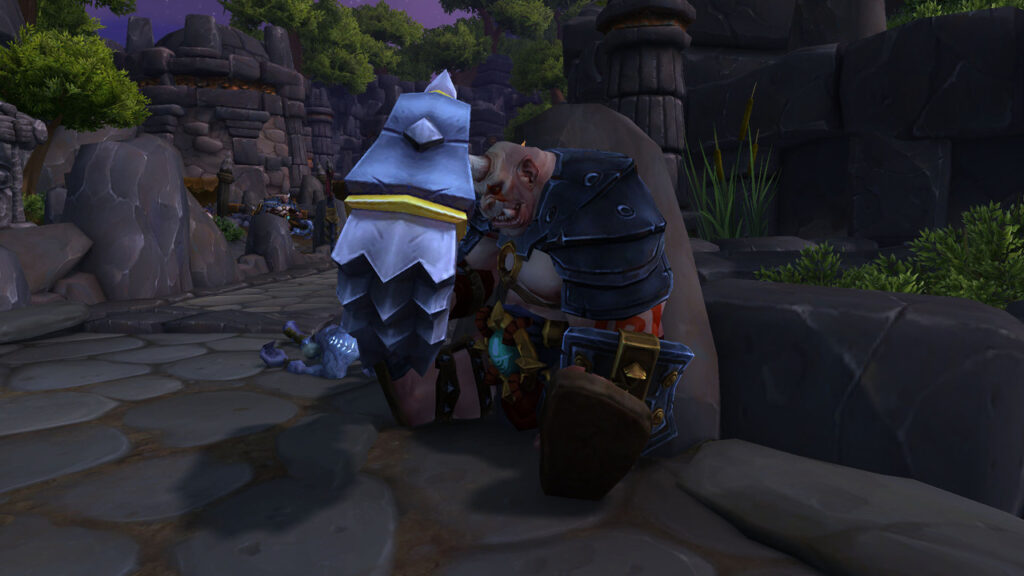
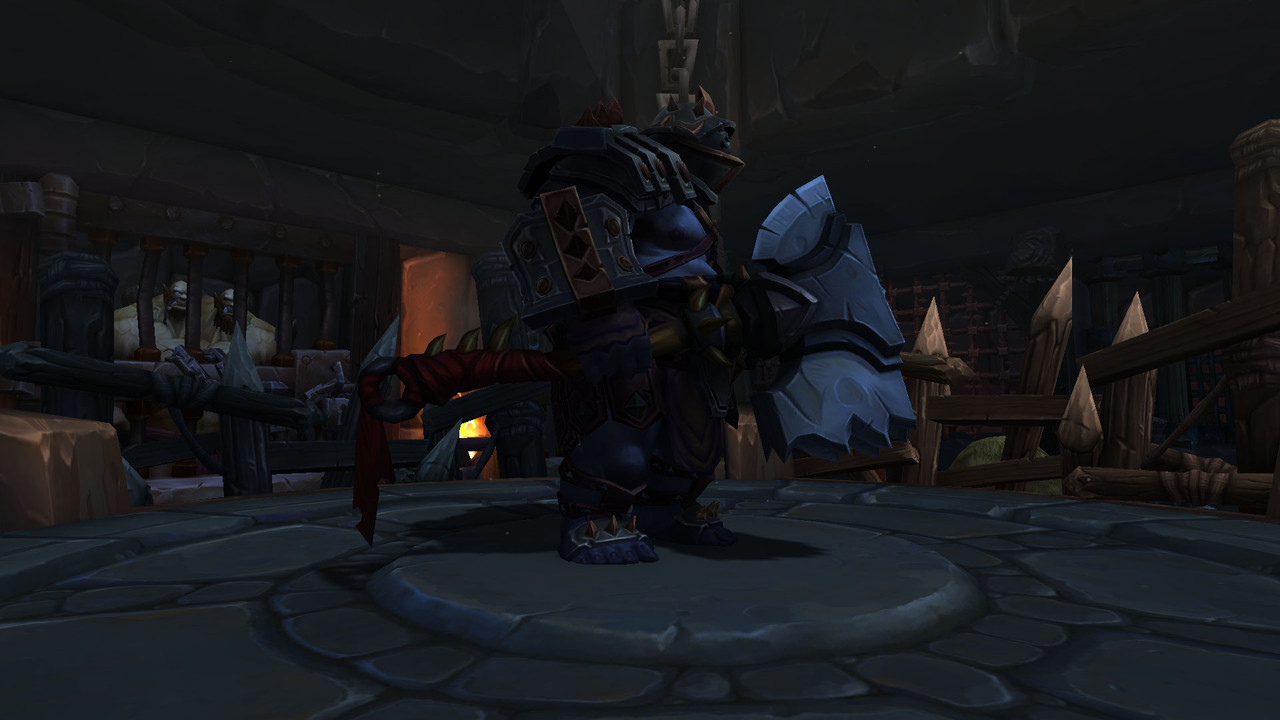
Mechanically, the Highmaul raid encapsulates this lore through its design and encounters. Players face off against ogre bosses that embody the chaotic nature of their society, each encounter reflecting the orc’s struggle against tyranny. For instance, the encounter with Kargath Bladefist illustrates the brutal reality of clan warfare, while the final battle against the Imperator Mar’gok highlights the orcs’ tactical prowess and their ability to adapt. These encounters are not just fights; they are narratives in themselves, allowing players to engage with the lore on a deeper level.
What steps can players take to fully appreciate the orc lore in Warlords of Draenor?
Players can appreciate the orc lore in Warlords of Draenor by engaging with quests, exploring the environment, and participating in community discussions.
To fully immerse oneself in the orc lore, players should prioritize specific actions that deepen their understanding of the narrative. First, completing the main questlines in Nagrand will provide foundational knowledge about the orc clans and their histories. Second, exploring the various locations within Nagrand, such as the Throne of the Elements and the Ring of Trials, reveals lore-rich environments that enhance the storytelling experience. Third, participating in the Highmaul raid not only offers gameplay challenges but also serves as a narrative culmination of the orc struggle against the ogres.
- Complete the Nagrand questlines to understand the orc clans’ histories.
- Explore significant locations like the Throne of the Elements for lore insights.
- Participate in the Highmaul raid to experience the orc’s battle against the ogres.
- Engage in community discussions to share interpretations and insights.
What are the critical parameters for understanding orc lore in Warlords of Draenor?
Understanding orc lore in Warlords of Draenor requires knowledge of clan dynamics, historical conflicts, and the significance of shamanism.
To grasp the depth of orc lore, players must consider several critical parameters. Clan dynamics play a significant role, as each clan has its own history, traditions, and values that influence their actions. The historical conflicts with the ogres are essential for understanding the orc’s resilience and their ongoing struggle for identity and survival. Additionally, shamanism is a core aspect of orc culture, representing their connection to the elements and the spiritual world, which is crucial for their identity as a race.
Operationally, players should focus on the lore presented in quests, item descriptions, and NPC dialogues. Engaging with these elements provides a comprehensive view of the orc’s journey, from their origins to their current challenges. Furthermore, understanding the implications of the Iron Horde’s rise and the subsequent impact on the orc clans is vital for contextualizing their narrative arc. This layered approach to lore appreciation allows players to see the orcs not just as warriors but as a complex society with rich traditions and histories.
What potential issues might arise when exploring orc lore in Warlords of Draenor?
Potential issues include misconceptions about orc culture, oversimplification of their narratives, and the challenge of integrating new lore with established canon.
As players delve into orc lore, several potential issues may arise that can hinder a complete understanding of their narrative. One common misconception is the oversimplification of orc culture as merely brutish or warlike, ignoring the rich traditions and complexities that define their society. Additionally, the introduction of new lore elements can sometimes clash with established canon, leading to confusion among players who may struggle to reconcile these narratives. This is particularly evident in the portrayal of the Iron Horde, which can overshadow the nuanced histories of individual clans.
What are the future trends in orc lore and its scalability in World of Warcraft?
Future trends in orc lore will likely focus on the evolution of clan identities and their role in the ongoing narrative of World of Warcraft.
As World of Warcraft continues to evolve, the future of orc lore will likely explore the complexities of clan identities in a changing world. With the potential for new conflicts and alliances, players can expect to see a deeper exploration of how orc clans adapt to the shifting political landscape of Azeroth. Additionally, the integration of new characters and story arcs will provide opportunities to expand upon existing lore, enriching the narrative tapestry of the orc race.
Scalability in orc lore can be achieved through the introduction of new quests, expansions, and character developments that reflect the evolving nature of their society. Players may witness the emergence of new leaders, the revival of ancient traditions, or the consequences of past actions as the narrative unfolds. This dynamic approach to storytelling ensures that orc lore remains relevant and engaging for both new and veteran players alike, solidifying their place as a cornerstone of the Warcraft universe.